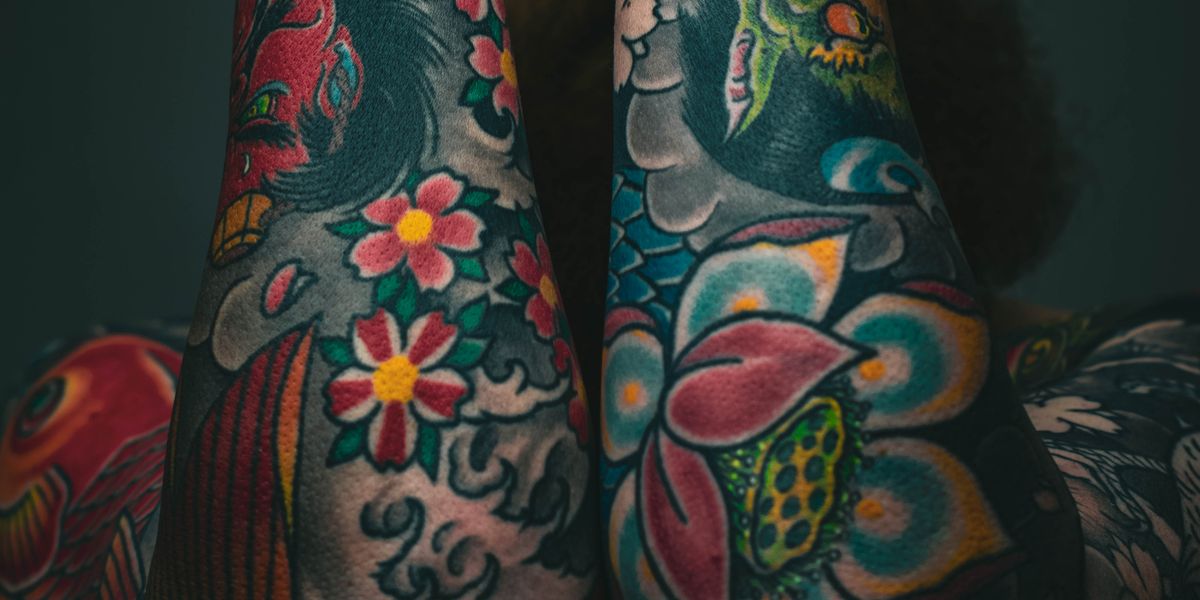
About
Tribal tattoos draw from indigenous tattooing traditions worldwide, featuring bold black patterns, flowing lines, and designs that complement the body's natural contours. From Polynesian to Celtic, tribal styles connect to deep cultural roots.
History
Tribal tattooing is among humanity's oldest art forms, with traditions spanning Polynesia, Africa, Southeast Asia, and indigenous cultures worldwide. Each culture developed distinct patterns carrying spiritual and social significance.
Characteristics
- Bold black ink patterns
- Flowing designs that follow body contours
- Repetitive, rhythmic elements
- Strong cultural symbolism
- High contrast with skin
Best for
- • Full arm, leg, or back pieces
- • Those connecting with cultural heritage
- • Bold, graphic statements
- • Designs that emphasize physique
- • Cover-ups and reworks
Considerations
- • Cultural significance should be understood and respected
- • Generic "tribal" may lack authentic meaning
- • Research your chosen tradition thoroughly
FAQ
- Is it appropriate to get tribal tattoos?
- This depends on your connection to the culture. Research the specific tradition, understand its meanings, and consider consulting with artists from that cultural background.
- What's the difference between Polynesian styles?
- Samoan (pe'a), Maori (ta moko), Hawaiian, and other Polynesian traditions each have distinct patterns, placement traditions, and cultural meanings.
- Do tribal tattoos have meaning?
- In their original contexts, absolutely. Patterns often represent genealogy, achievements, or spiritual beliefs. Generic "tribal" designs created outside these traditions may lack traditional meaning.