About
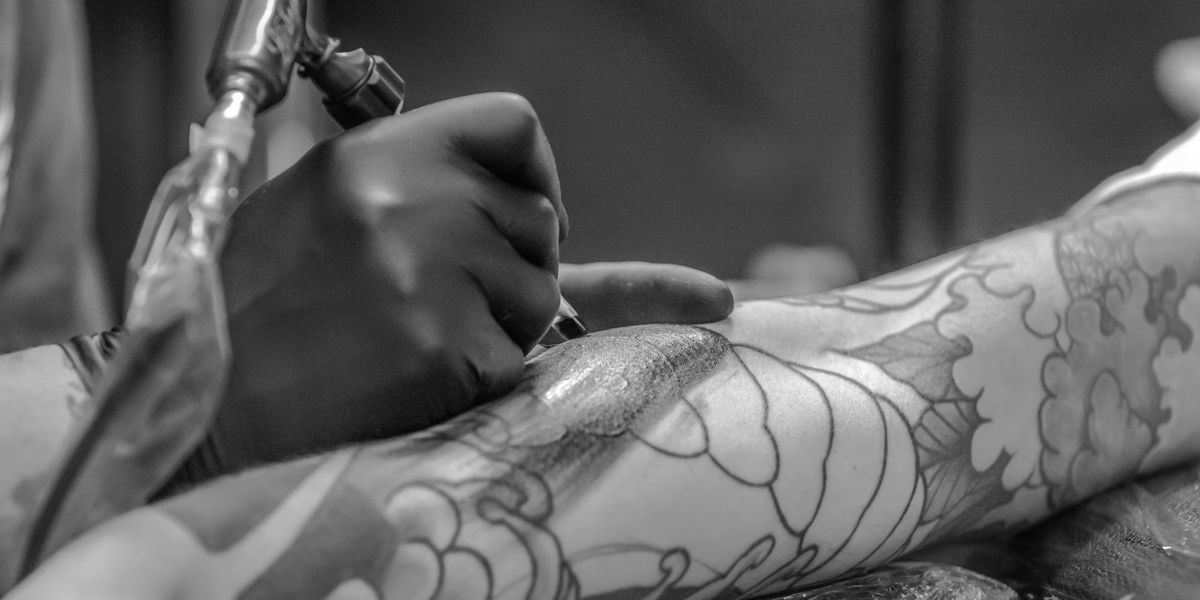
Blackwork tattoos use solid black ink to create striking, high-contrast designs. From intricate geometric patterns to large-scale illustrative pieces, blackwork emphasizes the power of negative space and bold lines.
History
Blackwork has roots in ancient tribal tattooing traditions from Polynesia, Africa, and Southeast Asia. Modern blackwork emerged in the 1990s as artists began exploring the aesthetic potential of using only black ink, drawing inspiration from woodcut prints and graphic design.
Characteristics
- Uses only black ink for maximum contrast
- Heavy use of negative space
- Can range from delicate linework to solid fill
- Often incorporates geometric or organic patterns
- Ages exceptionally well due to ink density
Best for
- • Cover-up tattoos
- • Large-scale pieces
- • Those wanting bold, graphic statements
- • Geometric and pattern-based designs
- • Clients who prefer timeless aesthetics
Considerations
- • Removal is more difficult due to ink saturation
- • Large solid areas may require multiple sessions
- • Touch-ups may be needed for solid black areas over time
FAQ
- How long do blackwork tattoos take?
- Depending on size and complexity, blackwork pieces can take anywhere from 2-8 hours per session. Large-scale pieces may require multiple sessions.
- Do blackwork tattoos fade?
- Blackwork tattoos are among the most durable. The dense black ink holds up well over time, though some fading is natural with age and sun exposure.
- Are blackwork tattoos more painful?
- The shading technique used in blackwork can be intense, especially for large solid areas. However, pain varies by individual and placement.